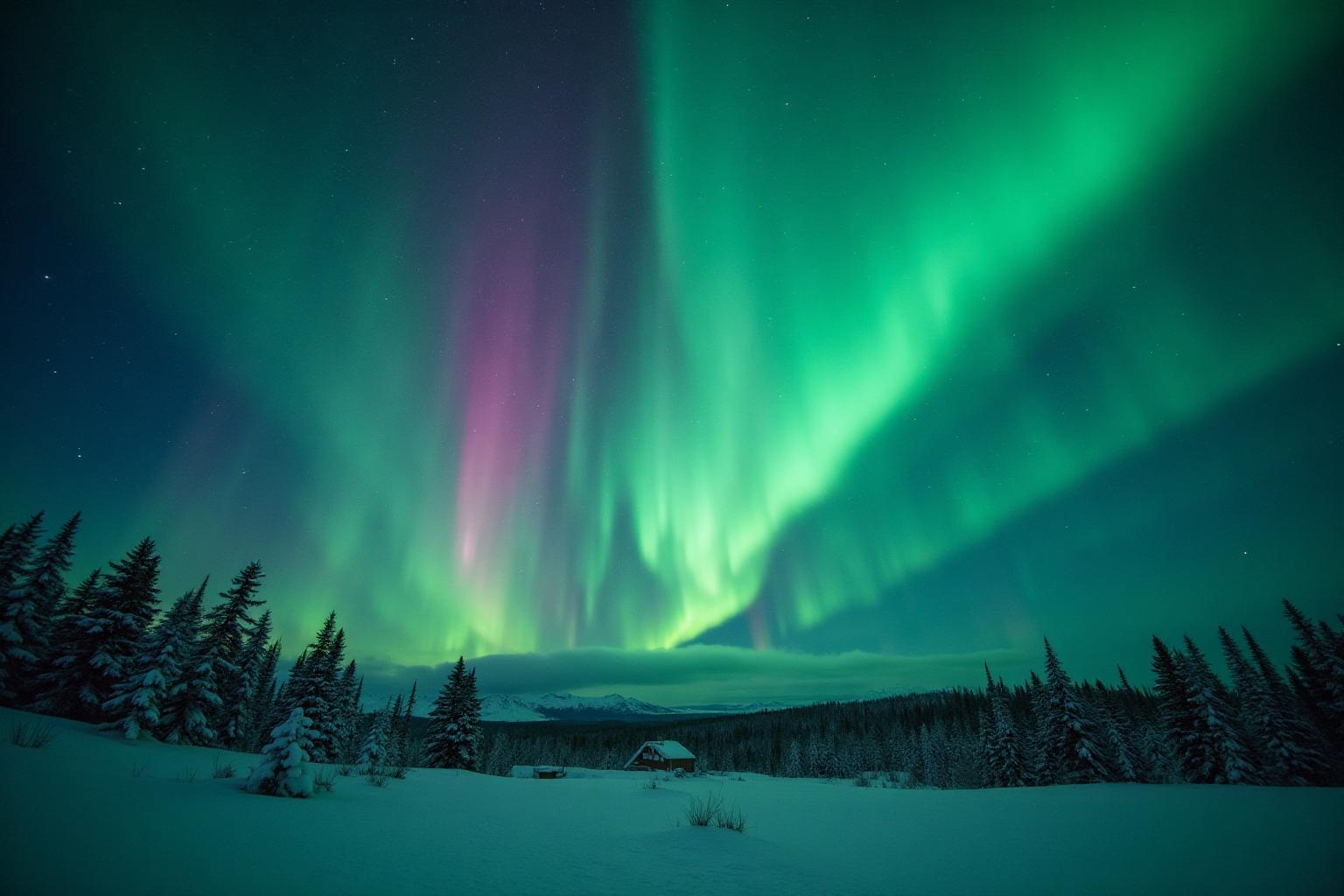
Best Time to Visit Yellowknife for Aurora Viewing
Discover the optimal months to visit Yellowknife for the best Northern Lights viewing opportunities, considering weather patterns and aurora activity.
Yellowknife, located in Canada's Northwest Territories, is one of the world's premier destinations for viewing the Northern Lights. But timing your visit correctly can make all the difference between a spectacular aurora show and a disappointing trip.
The Aurora Season: August to April
While the aurora borealis is technically visible year-round, the best viewing conditions in Yellowknife occur from mid-August through late April. During these months, the nights are long and dark enough to see the dancing lights in all their glory.
Peak Viewing Months
December through March offers the highest probability of clear, dark skies. While these months bring extreme cold (temperatures can drop to -40°C), they also provide the most dramatic aurora displays. The air is crisp and dry, reducing cloud cover and enhancing visibility.
Weather Considerations
Yellowknife's subarctic climate means cold winters and mild summers. For aurora viewing, you want:
- Clear skies - Yellowknife averages 240 days of aurora visibility per year
- Dark nights - The winter solstice provides nearly 20 hours of darkness
- Low humidity - Reduces cloud formation and improves visibility
- Solar activity - Check aurora forecasts before booking
September and March: The Sweet Spots
For those seeking a balance between aurora viewing and more comfortable temperatures, September and March are ideal. September offers temperatures around 0°C to 10°C, while March begins to warm up from winter's extreme cold. Both months still provide long, dark nights for excellent aurora viewing.
Pro tip: Yellowknife is located directly beneath the aurora oval, giving visitors a 95% chance of seeing the Northern Lights over three nights of viewing.