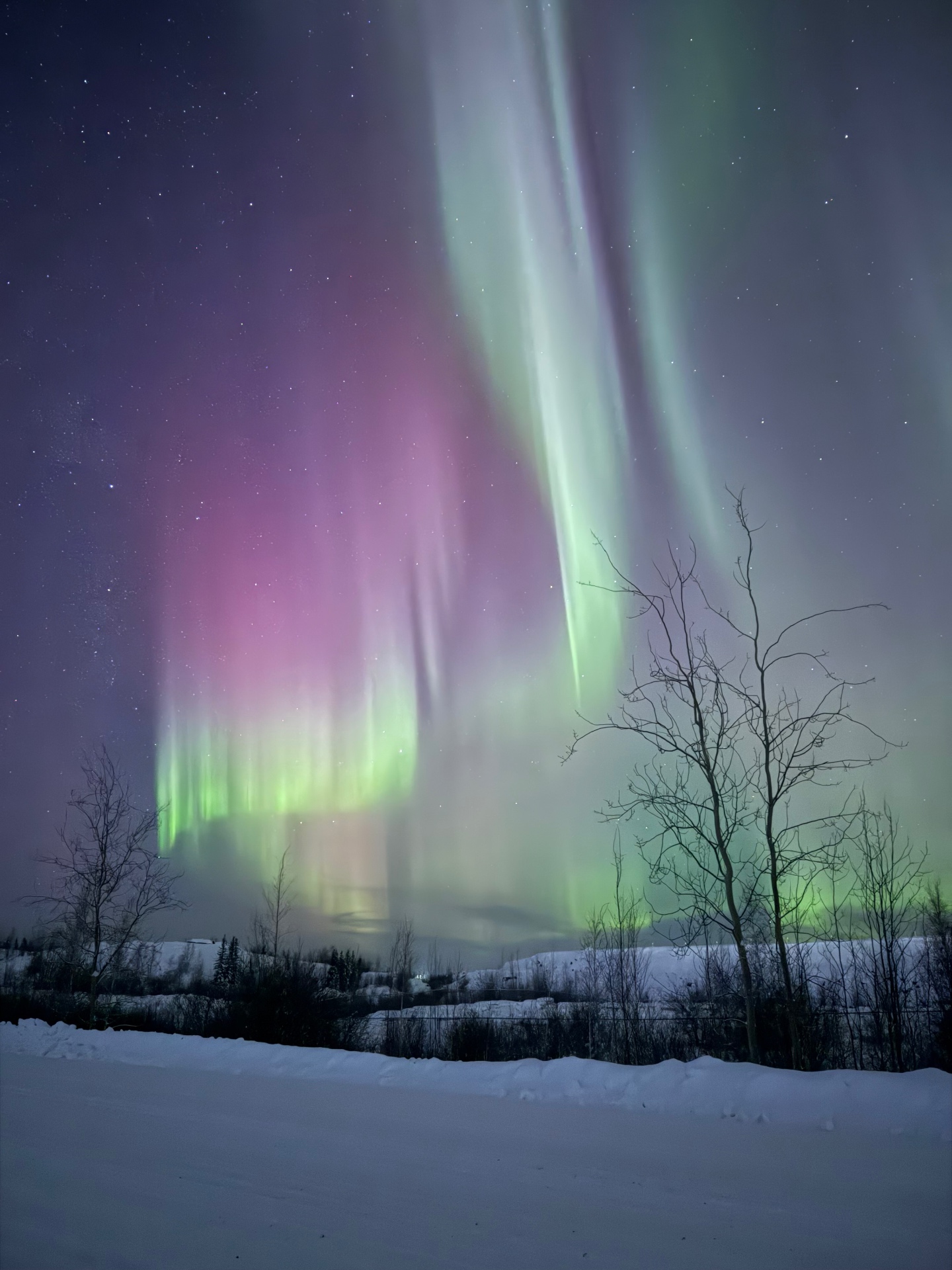
My Best Aurora Photography Tips After 500+ Tours
After guiding over 500 aurora tours in Yellowknife, I've seen every camera mistake in the book—and helped countless guests capture their dream shot. Here are my tried-and-true tips for photographing the Northern Lights.
My Best Aurora Photography Tips After 500+ Tours
I've been guiding aurora tours in Yellowknife for years now, and if there's one thing guests ask me about almost as much as the lights themselves, it's photography. "How do I capture this?" "Why does my photo look nothing like what I'm seeing?" "Is my phone good enough?"
I've helped hundreds of guests get their dream aurora shot—from total beginners with smartphones to professional photographers with $10,000 rigs. Here's what I've learned.
The Truth About Phone Photography
Let me start with what everyone wants to know: Yes, your smartphone can capture the aurora. Modern phones—especially iPhone 14/15/16 and recent Samsung Galaxy models—have incredible night modes that can pick up colors your eyes can barely see.
Here's my phone photography checklist:
- Use a tripod or prop your phone — Night mode exposures take 3-10 seconds. Any movement = blur.
- Turn off the flash — It does nothing for the sky and ruins everyone else's shots.
- Enable Night Mode — On iPhone, it activates automatically in low light. On Samsung, use "Night" in the camera modes.
- Don't zoom — Digital zoom destroys quality. Get the wide shot.
- Take multiple shots — Night mode exposure varies. Some will be better than others.
The photos won't match a professional DSLR, but they'll be yours—and honestly, some of my guests' phone shots have blown me away.
For DSLR/Mirrorless Cameras
If you've brought proper camera gear, here are my go-to settings that work 90% of the time:
- Aperture: As wide as your lens allows (f/2.8 or wider is ideal, f/4 works too)
- ISO: Start at 1600-3200. Go higher if needed, but watch for noise.
- Shutter Speed: 8-15 seconds for sharp stars. Up to 25 seconds if aurora is slow-moving.
- Focus: Manual focus set to infinity. Use live view and zoom in on a bright star to nail it.
- White Balance: I like 3500-4000K for natural colors, but shoot RAW and adjust later.
The Mistakes I See Every Night
After 500+ tours, I've seen it all. Here are the top mistakes—and how to avoid them:
1. Not checking settings BEFORE the aurora appears
When the lights start dancing, you don't want to be fumbling with your camera. Test your settings on the stars before showtime.
2. Forgetting extra batteries
Cold weather kills batteries fast. At -30°C, a full battery can die in 20 minutes. Keep spares in your inside pocket, close to your body heat.
3. Touching the camera during exposure
Use a remote shutter release or your camera's 2-second timer. Even pressing the button causes shake.
4. Staring at the screen instead of the sky
I can't tell you how many people miss the best displays because they're reviewing photos. The aurora is happening NOW—enjoy it with your eyes first.
My Favorite Composition Tips
Technical settings are just the start. What makes a photo memorable is composition:
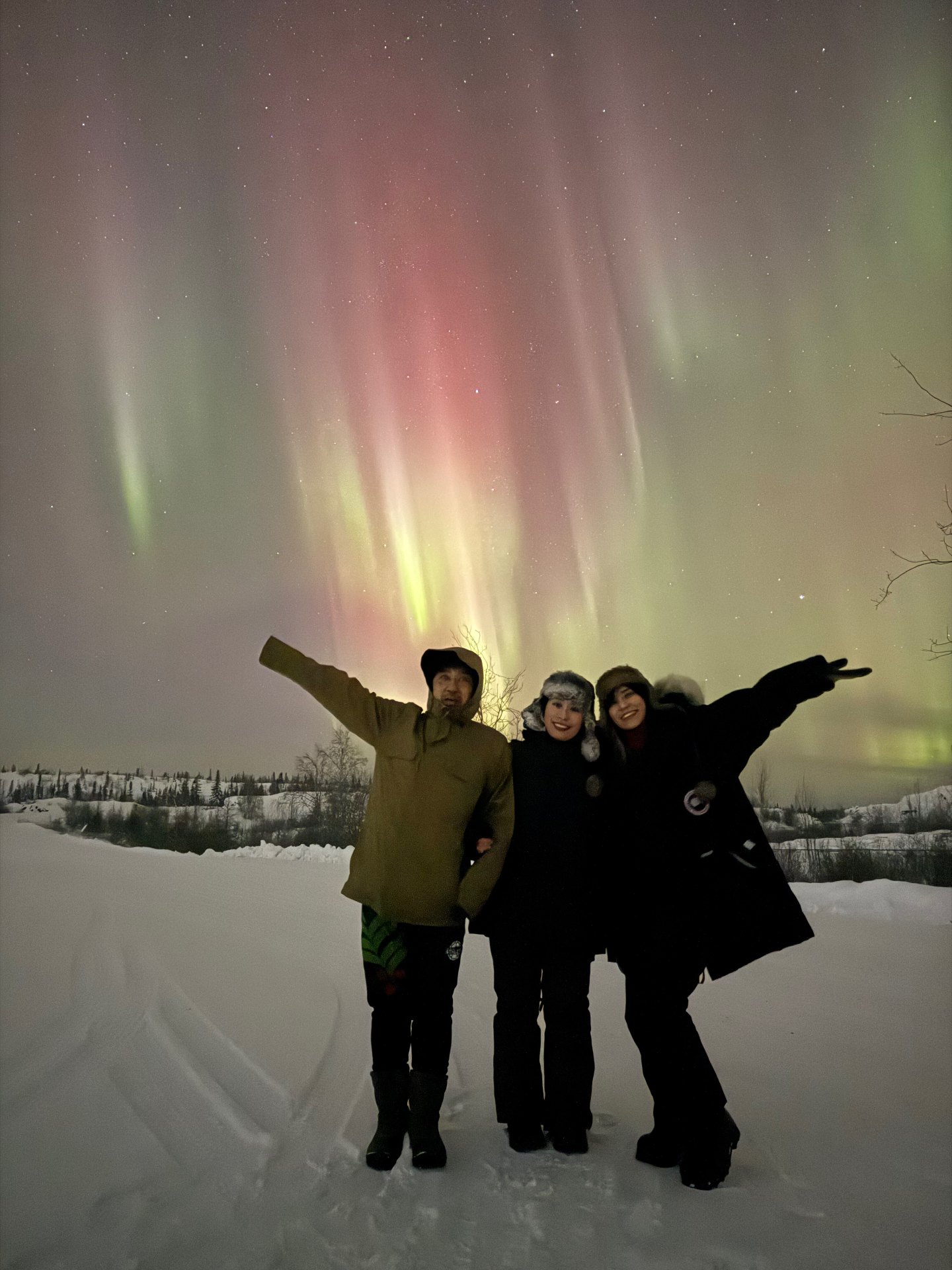
- Include foreground — Trees, a frozen lake, your fellow guests silhouetted. Pure sky shots get boring fast.
- Go wide — The aurora often fills more sky than you expect. Ultra-wide lenses (14-24mm) are your friend.
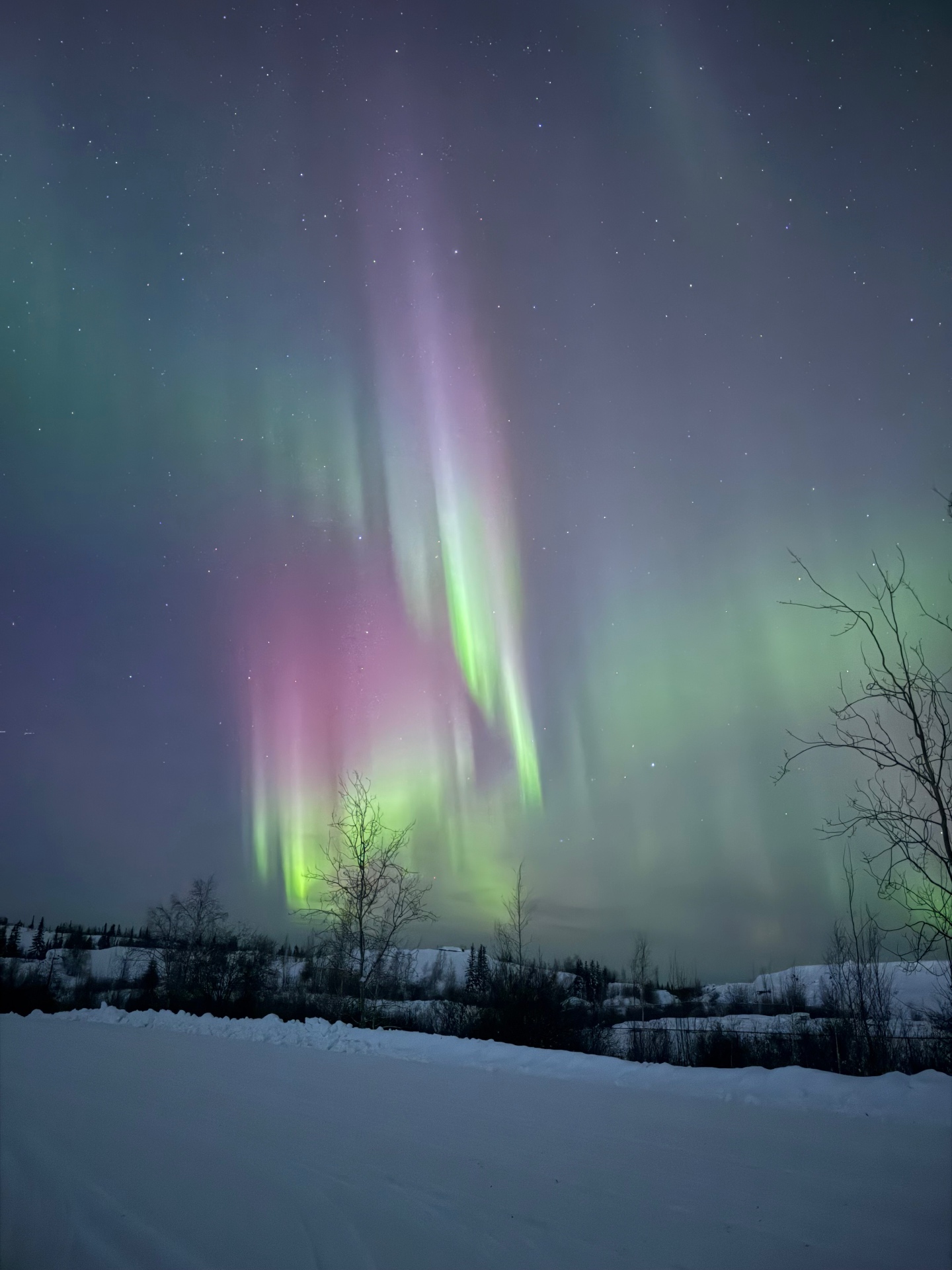
- Portrait orientation — When the aurora has strong vertical pillars, turn your camera sideways.
- Include people — Have someone stand still for 10 seconds. Their silhouette adds scale and story.
The Shot That Matters Most
Here's what I tell every guest: Your best aurora photo might not be technically perfect—and that's okay.
I've seen professional photographers get so obsessed with settings that they barely look up. Meanwhile, a first-timer with a phone is crying happy tears because they just captured the moment their dream came true.
The aurora is a gift. Capture what you can, but don't forget to put the camera down sometimes and just... witness it.
Want to Practice With Me?
On every tour, I help guests with their camera settings and point out the best compositions. It's one of my favorite parts of the job—seeing someone nail that perfect shot for the first time.
Book a tour with us and bring your camera. I'll make sure you go home with photos worth framing.
See you under the lights! 📸✨