Understanding Yellowknife's Extreme Climate
Learn about Yellowknife's subarctic climate, from record-breaking cold to summer warmth, and what makes this northern city's weather so unique.
Yellowknife experiences one of the most extreme climates in Canada, with dramatic temperature swings between summer and winter that can span over 80°C. Understanding this unique climate is essential for anyone planning a visit to this northern city.
The Numbers Tell the Story
Yellowknife holds the distinction of being one of the coldest capital cities in the world. Here's what you need to know:
- Winter average: -26°C to -30°C (January)
- Record cold: -51.2°C (January 1947)
- Summer average: 17°C to 21°C (July)
- Record heat: 32.5°C (July 1989)
- Annual temperature range: Over 80°C between extremes
Why So Extreme?
Several factors contribute to Yellowknife's dramatic climate:
Latitude and Location
At 62°N, Yellowknife sits well above the 60th parallel. During winter, the sun barely rises above the horizon, providing minimal heat. In summer, near-24-hour daylight floods the region with solar energy.
Continental Interior
Located far from any moderating ocean influence, Yellowknife experiences the full force of continental climate extremes. There's no maritime air to temper the cold winters or hot summers.
Clear, Dry Air
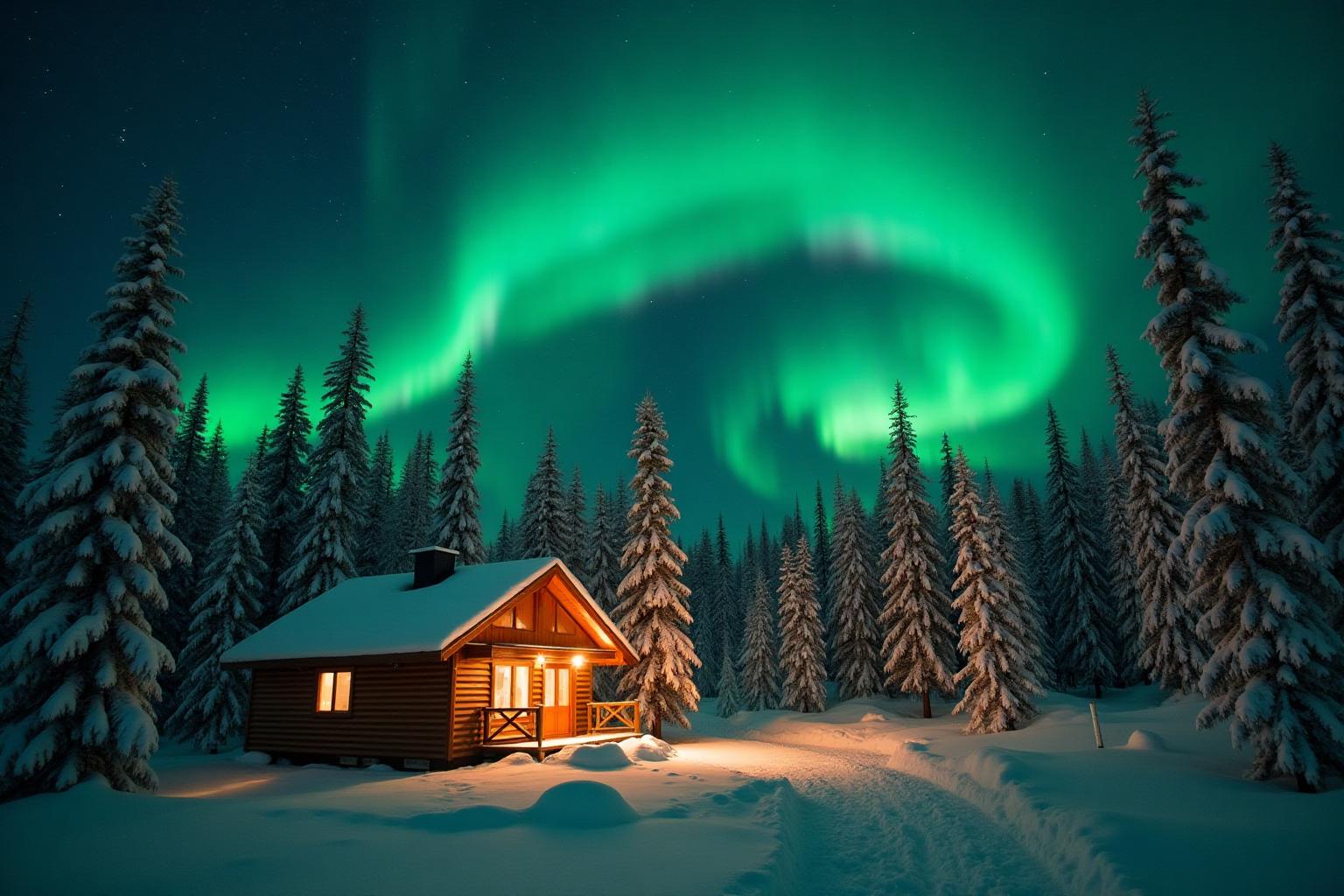
The region's low humidity means heat escapes rapidly at night. This same dry air, however, makes the cold more bearable and creates perfect conditions for aurora viewing.
Seasonal Breakdown
Winter (November - March)
Long, intensely cold, and dark. The city transforms into a winter wonderland, with Great Slave Lake freezing solid enough to support ice roads. Despite temperatures regularly hitting -30°C to -40°C, the dry air and lack of wind often make it feel less brutal than you'd expect.
Spring (April - May)
A brief transition period where temperatures rapidly climb from below freezing to above. The ice breaks up on Great Slave Lake in a dramatic event locals celebrate.
Summer (June - August)
Surprisingly warm, with temperatures often reaching 20°C to 25°C. The midnight sun creates endless days, perfect for outdoor activities. Surprisingly, Yellowknife can experience occasional heat waves above 30°C.
Fall (September - October)
Another quick transition as temperatures plummet. The first snows typically arrive in October, and by November, winter has firmly established itself.
Despite its extreme climate, or perhaps because of it, Yellowknife offers unique experiences year-round, from aurora viewing in winter to midnight sun adventures in summer.